By Gene Seidman
Art Dealer & Charity Auctioneer
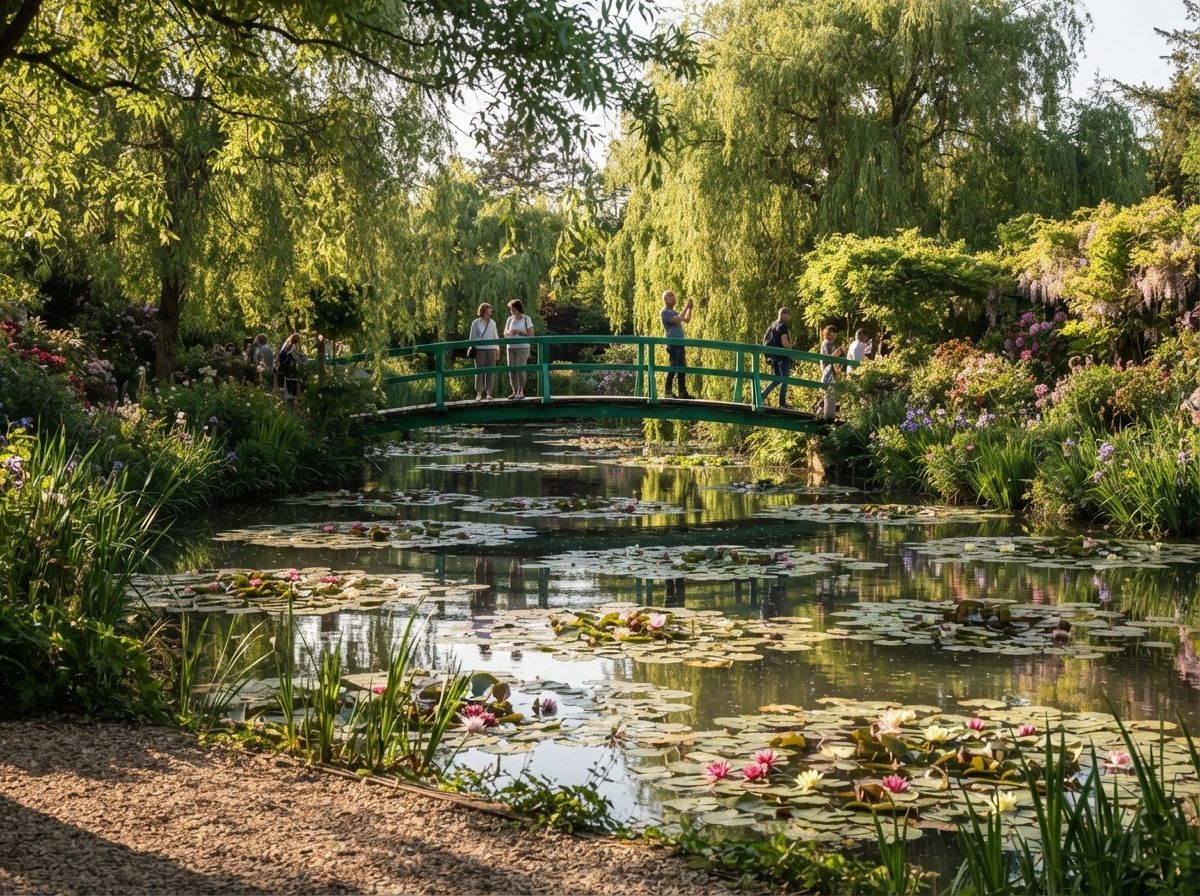
At Giverny, Monet didn't just paint the garden. He built it. He diverted a river to make that lily pond, then spent nearly 30 years painting it, roughly 250 Water Lilies in all. The bridge, the willows, the light on the water: it's all still there, and standing in it you realize the paintings weren't imagination. They were reporting.
The video walks through Monet's garden at Giverny, capturing the same lily pond, the Japanese bridge, and the willows that appear in his paintings. Then it shifts to Versailles, showing the Hall of Mirrors and the grand palace grounds, connecting two of France's most storied landmarks.
357 Mirrors When Glass Was a Luxury
At Versailles, Louis XIV turned a hunting lodge into the most audacious statement of entitlement, power and self-aggrandizement ever built. The Hall of Mirrors, 357 mirrors when glass was a luxury only Venice could make, is where the treaty ending World War I was signed in 1919.
The Connection Nobody Tells You
And here's the connection nobody tells you: the day after the 1918 Armistice, Monet offered his Water Lilies to France as a monument to peace. One man painting calm while the world signed its way out of chaos. Same country. Same century of change. Art and power.
Standing in places like Giverny or the great museums, you start to understand the difference between passive looking and active seeing. These aren't just pretty scenes. They're documents of intention.
The King and Queen Got Exactly What They Deserved
The king and queen got exactly what they deserved. Karma's real.
Monet spent nearly three decades painting the same pond because he understood something about attention. He wasn't chasing novelty. He was going deeper into what was already there.
Next time you stand in front of a masterpiece, remember: sometimes the paintings aren't imagination. They're reporting.